

Understanding the Role of Pond Weeds and Algae in Ecosystems
Looking at a calm pond, one may miss the busy life below. It has plants and microorganisms that keep ecological balance. Although sometimes considered nuisances, pond weeds and algae play pivotal roles in aquatic ecosystems. They contribute to oxygen production, serve as food sources, and provide habitats for a diversity of aquatic life.
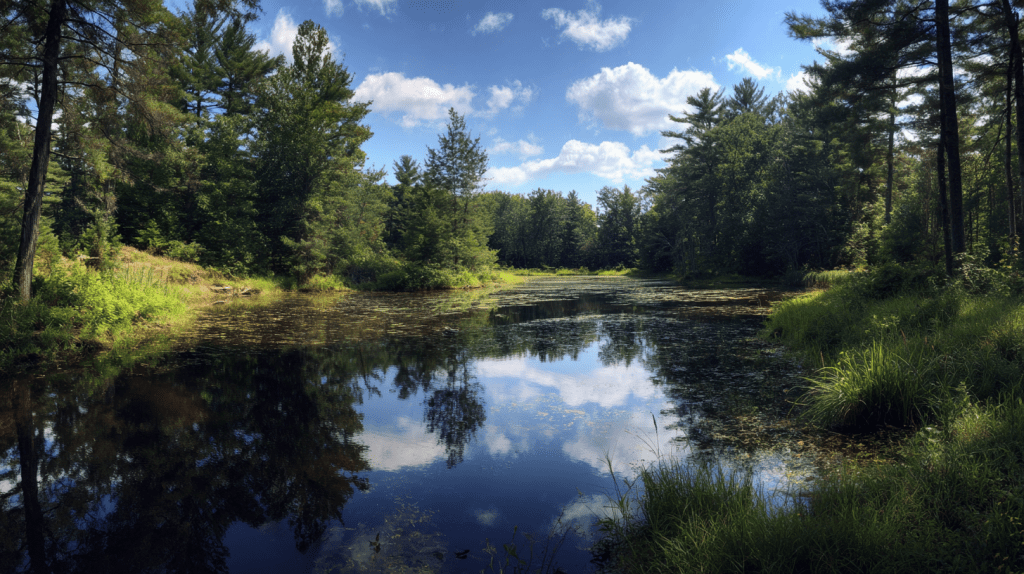
However, unchecked growth can pose significant challenges, threatening both the health and the aesthetics of water bodies. Too much growth can use up oxygen, block sunlight, and hurt fun activities. This shows the need for good management plans. Understanding the delicate balance these plants keep is crucial. It helps solve issues and supports thriving ecosystems.
This article looks at pond weeds and algae types, their roles, problems when they grow too much, how to identify them, and ways to manage and care for ponds. By examining these aspects, we aim to show ways to keep ecosystems healthy and promote biodiversity.
Types of Pond Weeds and Algae
Pond weeds and algae are ubiquitous components of aquatic ecosystems, each playing a unique role. While often viewed as nuisances by pond owners, these aquatic plants and algae have vital ecological functions. In Illinois, Wisconsin, and Minnesota, many pond weeds and algae grow. They affect pond looks, ecosystem health, and water recreation. Knowing different pond weeds and algae is key for good control. This helps fix problems like cloudy water, too many nutrients, and harm to fish homes. This knowledge helps evaluate how these aquatic species affect the pond ecosystem.
Submerged Weeds
Submerged weeds, which grow entirely underwater, are a common sight in ponds and shallow waters. These weeds can have mixed impacts on pond ecosystems. On the one hand, they provide habitat and oxygenation which can support aquatic life. They can increase water turbidity. This reduces clarity and interferes with boating and fishing. Finding underwater weeds helps choose the right control. You can remove them by hand. You can use grass carp to eat them. You can also change pond depth to block sunlight and stop weed growth. Deepening a pond can reduce weed growth. But this costly step needs enough water to fill the pond.
Floating Weeds
Floating weeds rest on the water’s surface and can disrupt pond clarity. Despite this, they offer some advantages, such as serving as habitat for various fish species. Their structure, often a mix of floating and submerged leaves, provides excellent cover. Managing floating weeds needs careful monitoring of pond depth. Shallow waters let in more sunlight and promote growth. Floating weeds shade less than other plants. But they still affect water looks and quality. So, they need control sometimes. Finding exact floating weed types is key to knowing their value and how to manage them.
Emergent Weeds
Emergent weeds like cattails and bulrushes grow along shallow pond edges. They thrive where sediment builds up and where ponds are designed. These plants play a crucial role in stabilizing pond banks and providing habitat. However, too much growth can cause problems. It can reduce water volume and make ponds too shallow. Shaping pond shorelines or deepening edges during droughts can manage these weeds’ presence by altering the habitat. Emergent weeds grow well where water drops one foot for every three feet toward the pond center. Careful landscape planning is needed to balance benefits and drawbacks.
Filamentous Algae
Filamentous algae are characterized by their stringy, cotton-like appearance and tendency to form dense mats on pond surfaces. These algae grow in shallow areas. They can float and cover large water sections. This disrupts recreational activities and lowers aesthetic value. Too much filamentous algae lowers dissolved oxygen, especially early in the morning. This can kill fish. To manage filamentous algae, people often use copper-based algaecides. They apply these carefully to parts of the pond. This controls growth and lowers harm to the environment. Knowing how filamentous algae grow and their conditions is key to controlling them and keeping the pond balanced.
Planktonic Algae
Planktonic algae are tiny, free-floating organisms that are key to the pond ecosystem. They provide essential food in the aquatic chain. But too many can make the water green. These plants are usually helpful. But their numbers can grow fast when nutrient levels rise, often from fertilizer runoff. These blooms can outcompete higher aquatic plants. This reduces biodiversity. Proper nutrient management, including controlling runoff, helps reduce the risk of too much planktonic algae growth. Knowing what helps algae grow lets pond owners take steps to stop too much growth. This keeps algae’s role without hurting water quality.
Macro-Algae
Macro-algae, distinct for their larger and complex structural forms, are a common presence in farm ponds and small lakes. These multicellular algae can be seen without a microscope. They often cause large growths in the aquatic ecosystem. High nutrient levels help these algae grow, like other algae types. To control their spread, limiting nutrient inflow is crucial, reducing the excess that supports their expansive growth. People often remove macro-algae by hand or use biological controls. This stops them from harming the pond’s ecological balance. Good management keeps their helpful effects. It stops too much and unwanted growth.
Ecological Roles of Pond Weeds and Algae
Pond weeds and algae often get blamed for problems. But they have good qualities. They are key to healthy water ecosystems, especially in Illinois, Wisconsin, and Minnesota. These aquatic plants help cycle nutrients. They break down and move nutrients, keeping the ecosystem balanced. They also provide complex habitats. This supports many aquatic species from zooplankton to big fish. The influence of pond weeds and algae on light penetration and water temperature further underscores their significance. Good pond management means keeping a balance of algae and weeds. They are key to ecological health and stability.
Oxygen Production
Submerged plants and microscopic algae produce most oxygen in ponds. They do this through photosynthesis. This oxygen is needed to support aquatic life. Fish need steady oxygen levels to live. Oxygen from plants and algae is very important. Ponds can have low oxygen, which harms aquatic animals. These plants and algae work more under good light. This boosts photosynthesis and increases oxygen in the pond. Oxygen production is key to supporting diverse life in US aquatic ecosystems.
Providing Food Sources
Planktonic algae are the base of the pond food chain. They feed zooplankton, which small fish like minnows and baitfish eat. This relationship supports larger fish populations. It helps keep the aquatic ecosystem active and healthy. Pond management that cuts algae too much, like using some dyes, can upset the balance. It can reduce food sources. A healthy population of planktonic algae supports fish populations. It also keeps the pond healthy overall. Good management that supports planktonic algae helps keep fish healthy. It also keeps nature balanced in wildlife ponds and water gardens in Illinois and Wisconsin.
Habitat for Aquatic Life
Pond weeds and algae, when managed appropriately, offer valuable habitat for diverse aquatic life. American Pondweed and Illinois pondweed give fish cover and habitat. They do not shade the pond too much. Uncontrolled algal growth, like carpets made by macroalgae such as Chara or Nitella, can overwhelm other plants. This lowers habitat quality. Such habitat changes can significantly affect the species composition and health of the pond ecosystem. Pond managers must use biological, physical, and chemical methods. This keeps the environment balanced and helps aquatic life thrive. This balance is vital for maintaining the natural beauty and biodiversity of ponds in the Midwest and beyond.
Nutrient Cycling
Pond weeds and algae play an essential role in nutrient cycling within aquatic systems. Too many nutrients cause problems like algal overgrowth. This upsets the ecological balance. Nutrient inputs can come from nearby activities like livestock movement and fertilizer use. To fight this, planting a native vegetative buffer around the pond can filter extra nutrients. This stops them from entering the water. Managing nutrient levels is important. Physical, chemical, or biological methods can prevent algae blooms and keep ponds healthy. Managing nutrients well keeps ponds healthy and balanced. This helps aquatic life thrive.
Challenges Presented by Overgrowth
The overgrowth of pond weeds and algae can present numerous challenges for pond owners and affect the overall health of the aquatic ecosystem. Too many nutrients in pond water cause this overgrowth. This is common in Illinois, Wisconsin, and Minnesota. When more than 20% of a pond’s surface is covered with these aquatic plants, it is generally advisable to take action to manage and control their growth. Too much growth can get in the way of popular fun activities. It can make casting and boating harder. In summer, pond moss, often called filamentous algae, grows fast. This causes problems for pond use and appearance.
Decreased Oxygen Levels
Algae overgrowth in ponds lowers oxygen levels. This poses a serious threat to the pond ecosystem. This reduction in oxygen usually results when algae turn the water green and form dense growths, impacting the survival and growth of fish and other aquatic life. The top pond layers have more oxygen. The deeper layers have less oxygen. This stresses pond organisms. However, not all algae are detrimental. Underwater plants and tiny algae make oxygen by photosynthesis. This oxygen is needed to keep water healthy for aquatic life. Aeration is often used to spread oxygen in the water. This can lower algae growth and help water animals stay healthy.
Blockage of Sunlight
Sunlight is a critical factor for the growth of pond weeds and algae, as it fuels photosynthesis, the process through which they produce energy. Pond dyes can block sunlight to stop growth. People often use this in spring as a preventive step. These dyes are non-toxic. They change the water’s color to reduce sunlight. This limits too much plant growth. However, pond dyes can change the pond’s look. Sometimes owners dislike this because they want a natural water garden. This method can help control algae and weeds. But it is important to consider its look and how well it works.
Impact on Recreation and Aesthetics
The presence of pond weeds and algae can seriously detract from the recreational and aesthetic value of a pond. Increased plant growth often leads to turbidity, clouding the visual clarity of the water, which might impact activities like swimming and fishing. Filamentous algae pose a dual threat as their unsightly appearance is coupled with potential dangers, such as fish kills if left untreated. Some pond owners avoid chemical herbicides because of environmental rules. This choice may make it harder to keep water clear and inviting. Underwater plants can make pond appearance unclear. Unknown species may act in unexpected ways. They can block sunlight and affect other plants’ growth. Careful identification and management of plants are important. This keeps ponds looking good and useful for recreation.
Identification of Pond Weeds and Algae
Identifying pond weeds and algae plays a crucial role in maintaining a balanced pond ecosystem. Knowing the type and amount of aquatic plants helps plan control methods. For example, Grass Carp eat submerged weeds but not filamentous algae. Ponds in Illinois, Wisconsin, and Minnesota often have problems with pond weed and filamentous algae. This is due to local ecology. By recognizing specific types of weeds and algae, pond owners can take appropriate measures to preserve the health of their aquatic environment.
Visual Identification Techniques
Seeing and identifying plants is key to managing pond ecosystems. Thick mats of yellow-green, bright green, blue-green, or red substances on the water’s surface often indicate algae problems. These visual cues, along with changes in pond turbidity and coloration, can signal the presence of specific algae or pond weed types. For instance, the bubbly appearance of Blanket Weed or Pond Scum is a clear visual marker of filamentous algae proliferation.
Choosing the right pond liner color can also impact algae growth. A pale liner may help photosynthesis and increase algae growth. A dark liner might raise water temperature, which also encourages algae but makes management harder. By identifying these visual details, pond owners can decide if changing pond depth works. This method can be costly. Finding and telling apart types of water plants is the base of good pond care.
Use of Guides and Resources
Effective pond management often requires guidance and the right resources. Various publications and resources offer insights into maintaining a balance between aquatic weeds and algae within ponds. For example, the National Association of Agricultural Contractors lists experts skilled in aquatic weed control. These experts can offer precision in addressing problems specific to lbs, such as emergent pond weeds or submerged types like curly-leaf pondweed.
There are also educational materials such as the “Fertilizing Kansas Lawns” guide and other resources on pond management practices. These materials detail methods like the use of pond dyes, aerators, and biological controls, such as introducing Grass Carp for submerged weeds. Fact sheets on “Correcting Pond Weediness” give step-by-step guidance. They help keep ponds healthy and vibrant. By leveraging these guides and resources, pond owners can access a wealth of knowledge and solutions tailored to their specific ecological needs.
Management Strategies
Effectively managing pond weeds and algae is crucial to maintaining a healthy pond ecosystem. In many U.S. states, including Illinois, Wisconsin, and Minnesota, pond weeds and filamentous algae are common problems. Beating these problems needs a well-planned management plan that uses many methods. Pond owners can control unwanted plants for a long time by using mechanical, biological, and chemical methods. This keeps water clean and supports nature’s balance. Each method has its own benefits and drawbacks. So, a full plan is needed to fit each pond’s conditions.
Mechanical Removal
Mechanical removal is one of the most labor-intensive but effective ways to manage pond weeds and algae. This technique involves manually extracting plants using tools like rakes and nets or employing machinery for larger ponds. Removing all weeds and algae from the pond shore stops organic material from rotting. This prevents extra nutrients from entering the water. Removing weeds early in the season works best. This lets pond managers focus on stopping more growth instead of controlling a big problem. In large ponds, it is important to remove plants several times early in the season. This helps control their growth.
Biological Control Methods
Biological control methods offer a natural way to manage pond weeds and algae without chemicals. Introducing grass carp, for example, can help reduce excessive plant growth by naturally feeding on submerged weeds and algae. Pond dyes work as a biological tool by blocking light. This slows the growth of underwater plants and algae. Another natural way is to use aerators to add oxygen. This makes the pond less friendly to fast algae growth. These techniques help keep a balanced aquatic ecosystem. They also support the diverse wildlife living there. Using biological controls can lead to sustainable pond care. But it may take time to see results.
Chemical Herbicides
Chemical herbicides like copper algaecides are another way to manage pond weeds and algae. They work fast. However, overuse can harm the pond’s ecosystem. It can affect species not targeted. These treatments can quickly reduce invasive plants. But they often only fix the problem for a short time. They may cause long-term ecological problems. Consequently, they should be used judiciously and as part of a broader, integrated weed management plan. In small ponds, people often use pond dyes or aerators. These methods are more lasting and better for the environment. They avoid the possible harm of chemical treatments.
Proactive Pond Management
To maintain a healthy pond ecosystem, proactive management is critical. This involves early intervention and sustained efforts to control the growth of pond weeds and algae. Acting quickly, especially at the start of each season, can stop overgrowth. This is essential for the pond’s biological and aesthetic health. Knowing different algae types—planktonic, filamentous, and macroalgae—helps use better management methods. Clear choices about water clarity and the natural ecosystem are very important. This is true especially in wildlife ponds. By monitoring nutrient levels and using control methods for each pond, we can improve the pond’s balance and use.
Land-Based Measures
Making a plant buffer around a pond is a top land method to control nutrient flow and reduce eutrophication. Planting at least a 10-foot wide strip of native plants, including grasses and broadleaf plants, can help the pond resist nutrient-rich runoff. These native plants have deep root systems that efficiently absorb excess nutrients, stabilize the pond bank, and reduce erosion. Mowing the buffer zone only once a year helps plants grow denser. This improves nutrient absorption and provides habitat for local wildlife. By using these land methods, pond owners in the US, especially in Illinois, Wisconsin, and Minnesota, can improve water quality. They can also keep the pond looking nice for a long time.
In-Pond Physical Strategies
In-pond physical strategies should focus on removing excessive pond weeds and algae early in the season to prevent overgrowth. This proactive approach helps maintain the pond’s balance and prevents negative impacts such as reduced oxygen levels that could harm fish populations. Using tools to remove filamentous algae can reduce fish kills. Fish kills often happen early in the morning when oxygen levels drop. Using different methods, like adding new aquatic plants that fit the soil and avoiding sandy soil, helps keep the ecosystem healthy. Using these strategies with land-based methods better protects pond ecosystems. This leads to better pond performance and more fun for people.
Balancing Control with Conservation
Controlling pond weeds and algae is important. But it is also essential to recognize their role in the pond ecosystem. They contribute to oxygen production through photosynthesis, which is vital for aquatic life. Finding a balance is very important. Removing too much can harm the ecosystem. Letting plants grow too much can cause problems like high nutrients and low oxygen, especially in weed areas. Generally, considering treatment when more than 20% of a pond’s surface is covered by vegetation helps maintain this balance. Knowing the structures made by macroalgae helps management decisions. These structures look like plants but differ in structure and smell from vascular plants. This nuanced approach ensures that pond management supports both the natural ecosystem and human use.
Balancing Ecosystem Health
Balancing the health of a pond ecosystem involves understanding the roles and impacts of both pond weeds and algae. These elements are often seen as problems. But they have important qualities that keep aquatic ecosystems healthy. Despite their potential to disrupt, these aquatic plants offer shelter, food, and oxygen for various wildlife species. In places like Illinois, Wisconsin, and Minnesota, a well-maintained balance within pond ecosystems helps boost not just water quality, but also the overall biological diversity.
Pond weeds such as the curly-leaf pondweed and aquatic plants contribute significantly to the habitat. They help stabilize the ecosystem by reducing nutrient runoffs. Runoffs can cause unwanted species like Eurasian Milfoil to grow unchecked. This exotic plant often disrupts ecosystems due to its aggressive growth. Properly managing pond weeds lets them help the ecosystem without taking over.
Aquatic ecosystems need algae, despite the potential issues they pose. Planktonic algae is essential because it provides food and oxygen for fish and other aquatic wildlife. However, filamentous algae, colloquially known as pond scum or blanket weed, can overwhelm a pond if not properly managed. This growth can cover the whole pond surface. People may add grass carp to eat plants. They may also use other water herbicides to keep oxygen and water clean.
Promoting Biodiversity
Promoting biodiversity in pond ecosystems is key for a healthy aquatic environment. The roles of pond weeds and algae, often debated, are fundamental to maintaining pond biodiversity when properly balanced. Algae can provide shelter for pond wildlife. At the same time, they can lower oxygen levels, showing their dual role in water. These organisms significantly influence the health and diversity of pond life.
Managing algae carefully is vital. It helps conserve biodiversity. For wildlife ponds, it is best to intervene little. This helps keep the natural balance and lets many aquatic life forms grow. Different ecosystems create healthier homes. These homes can handle many environmental problems. This helps build stronger wildlife communities.
Managing nutrients is a key part of promoting biodiversity. Using natural methods like planting native plants around ponds can reduce nutrient runoff. This runoff often causes harmful events like eutrophication. When nutrient levels stay low, pond weeds and algae are less likely to take over. This keeps the ecosystem balanced and fair for all species.
Using biological, physical, and chemical ways to control algae stops one kind from taking over. It also helps many kinds of water plants grow. This method lowers the risk of big algal blooms. It protects the ecosystem’s web and keeps pond life lively and healthy.